Olympic boss’s threat to PR team: not a good look

Kirsty Coventry, President of the International Olympic Committee, appeared to threaten a member of her public relations team with the sack mid-way through a post-Winter Olympic Games press conference after being blindsided by journalists’ questions.
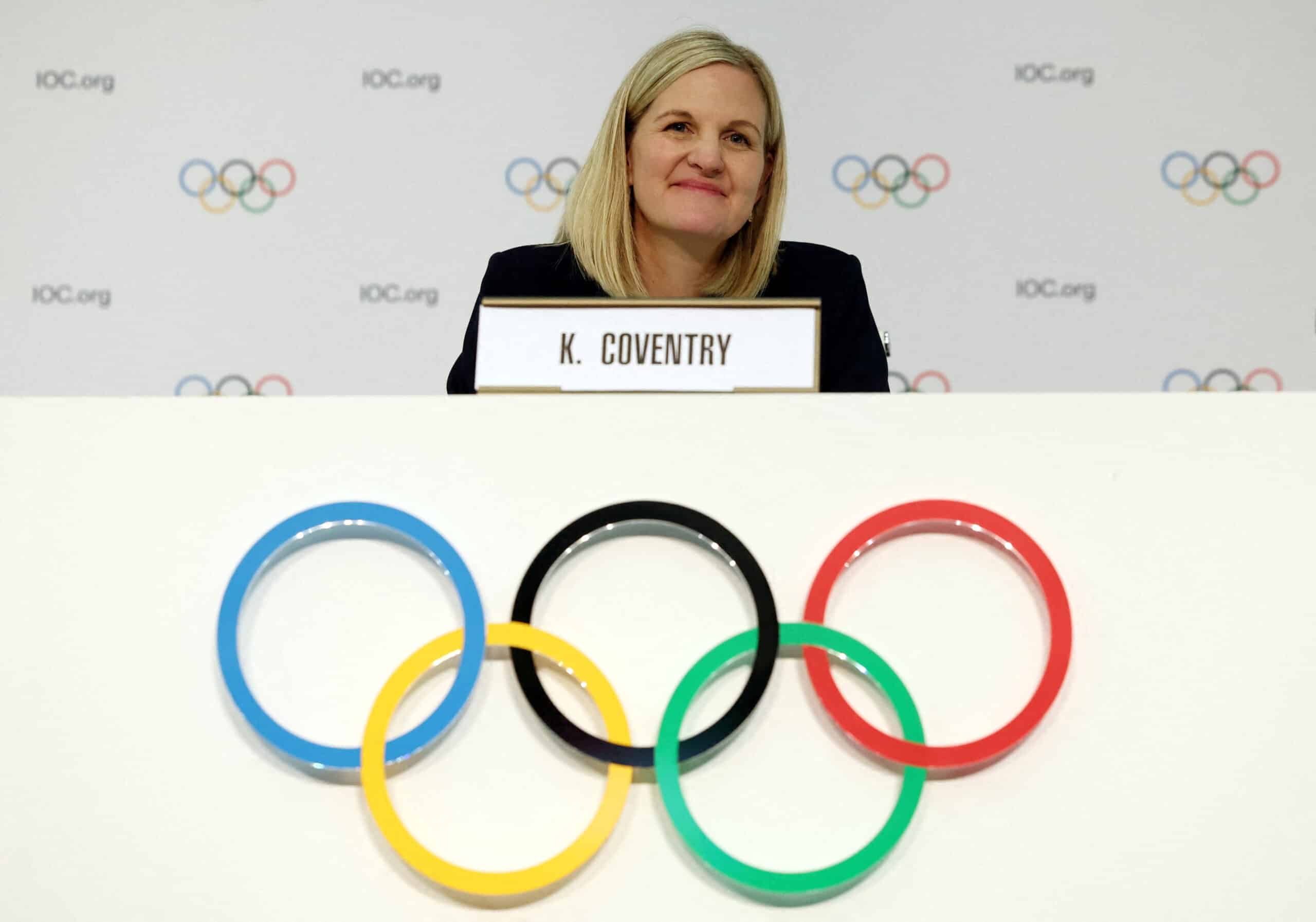
IOC President Kirsty Coventry seated at a lectern featuring the Olympic rings
IOC President Kirsty Coventry

The awkward moment came after two questions for which she appeared unprepared. First, a reporter asked the IOC President if she had any comment about the reluctance of Germany to host the 2036 Olympic Games because they would take place in the centenary year of the Nazi-era Games in Berlin.

Coventry said she was unaware of any comments by Germany around the 2036 Olympic Games, adding: “So I don’t really have an opinion on it.”

A later question, about what the World Anti-Doping Agency (WADA) and the IOC knew of doping in Russia around the Sochi Games led to another pause. Coventry said she was not across that story either, and remarked, “OK, I’m really looking at my team and maybe someone needs to be dismissed because I’m not aware of that either. But I would be very interested to find out more about it.”

There was no need for this answer. In such situations, it’s always acceptable for a senior executive to say “I don’t know”. No one can be expected to have read every press report or have heard every story about an issue and to be able to answer questions about it.

The best response is to promise the journalist a call back later once the executive has had an opportunity to find out more.

“I’m sorry I can’t answer your question right now but I promise I’ll go and find out more and come back to you later today with a proper answer,” would be the model response in this situation.

Publicly throwing your PR team under the bus? Not so much.

Full disclosure, I worked at the IOC in Lausanne, Switzerland, from 2011-2013
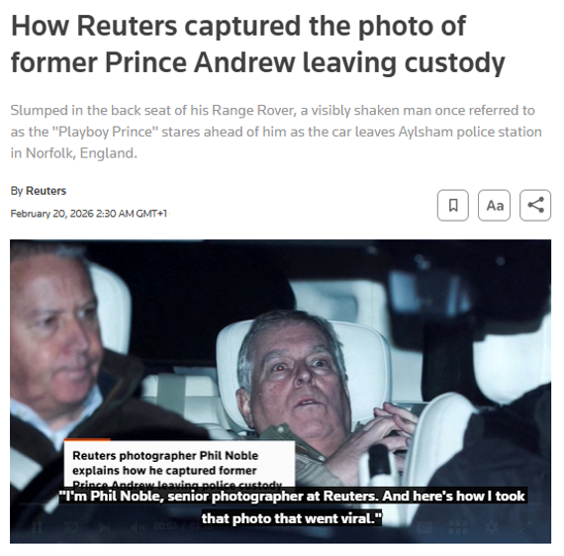
Why the Mandelson and Andrew footage is so compelling

There’s something undeniably gripping about the recent clip of Britain’s former US ambassador Peter Mandelson being arrested and the Reuters photo of Andrew Mountbatten‑Windsor returning home from the police station. It isn’t just the shock of seeing two establishment figures caught in moments of acute vulnerability.

It’s the fact that Britain, a country that prides itself on discretion and due process, has stumbled into something resembling the American perp walk, that strange ritual where the accused is paraded before the cameras, handcuffed and flanked by officers, as if shame were part of the judicial process.

That’s not really the done thing in the UK. British justice normally prefers quiet corridors, closed doors and the gentle hum of paperwork.

But the sight of Mandelson being led away, or Andrew being driven along in a car with the unmistakable look of a man who has just spent several hours answering questions he’d rather not, taps into a deep cultural curiosity. These are people who have spent their lives insulated from scrutiny. Seeing them suddenly exposed feels like a crack in the façade of power.

The American perp walk is designed to send a message: no one is above the law, and the public has a right to witness accountability. It’s theatre, of course, carefully choreographed, often criticised, but undeniably effective.

In the UK, the legal system tends to recoil from such spectacle. Yet when it happens accidentally, as it has here, we can’t look away. The footage feels illicit, like we’re seeing something we’re not supposed to. It’s the contrast that makes it compelling: the grandeur of their former lives colliding with the spectre of legal consequence.

What these moments reveal is how powerful visual accountability can be. A written statement can be parsed, spun or ignored. But a man stepping out of a police station at dusk, shoulders tight, eyes fixed on the ground? That image lingers. It tells a story no press release ever could.