Kirsty Coventry, President of the International Olympic Committee, appeared to threaten a member of her public relations team with the sack mid-way through a post-Winter Olympic Games press conference after being blindsided by journalists’ questions.
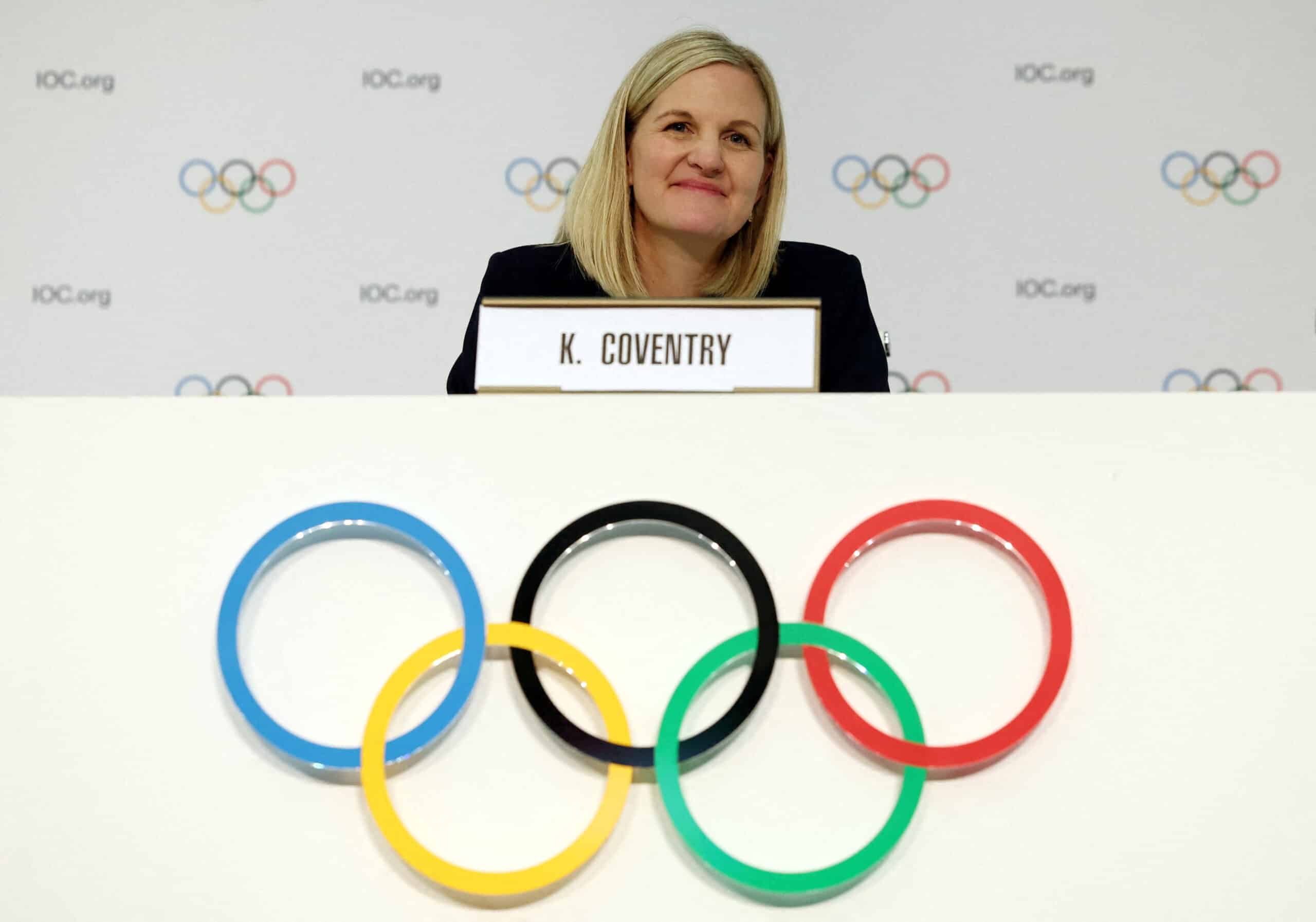
The awkward moment came after two questions for which she appeared unprepared. First, a reporter asked the IOC President if she had any comment about the reluctance of Germany to host the 2036 Olympic Games because they would take place in the centenary year of the Nazi-era Games in Berlin.
Coventry said she was unaware of any comments by Germany around the 2036 Olympic Games, adding: “So I don’t really have an opinion on it.”
A later question, about what the World Anti-Doping Agency (WADA) and the IOC knew of doping in Russia around the Sochi Games led to another pause. Coventry said she was not across that story either, and remarked, “OK, I’m really looking at my team and maybe someone needs to be dismissed because I’m not aware of that either. But I would be very interested to find out more about it.”
There was no need for this answer. In such situations, it’s always acceptable for a senior executive to say “I don’t know”. No one can be expected to have read every press report or have heard every story about an issue and to be able to answer questions about it.
The best response is to promise the journalist a call back later once the executive has had an opportunity to find out more.
“I’m sorry I can’t answer your question right now but I promise I’ll go and find out more and come back to you later today with a proper answer,” would be the model response in this situation.
Publicly throwing your PR team under the bus? Not so much.
Full disclosure, I worked at the IOC in Lausanne, Switzerland, from 2011-2013
 guy dresser